
Pakistan Petroleum Levy 2026 Surpasses Rs1.2 Trillion in Nine Months
The Pakistan petroleum levy 2026 has reached a major milestone, with the government collecting more than Rs1.2 trillion during the first nine months of the current fiscal year. This significant revenue highlights the growing importance of fuel-related taxes in supporting the country’s overall economic structure.
According to official data presented by authorities, petroleum levy collections have remained a major source of government income, especially as fuel consumption continues across transport, industry, and commercial sectors.
Strong Contribution to National Revenue
The Pakistan petroleum levy 2026 plays a crucial role in generating non-tax revenue for the government. With rising fuel usage across the country, the levy has become one of the key financial pillars supporting public spending and development projects.
Economists believe that this level of revenue collection reflects both increased fuel demand and adjustments in petroleum pricing policies. The steady inflow of funds helps the government manage fiscal responsibilities and budget requirements.
Impact on Economy and Public Concerns
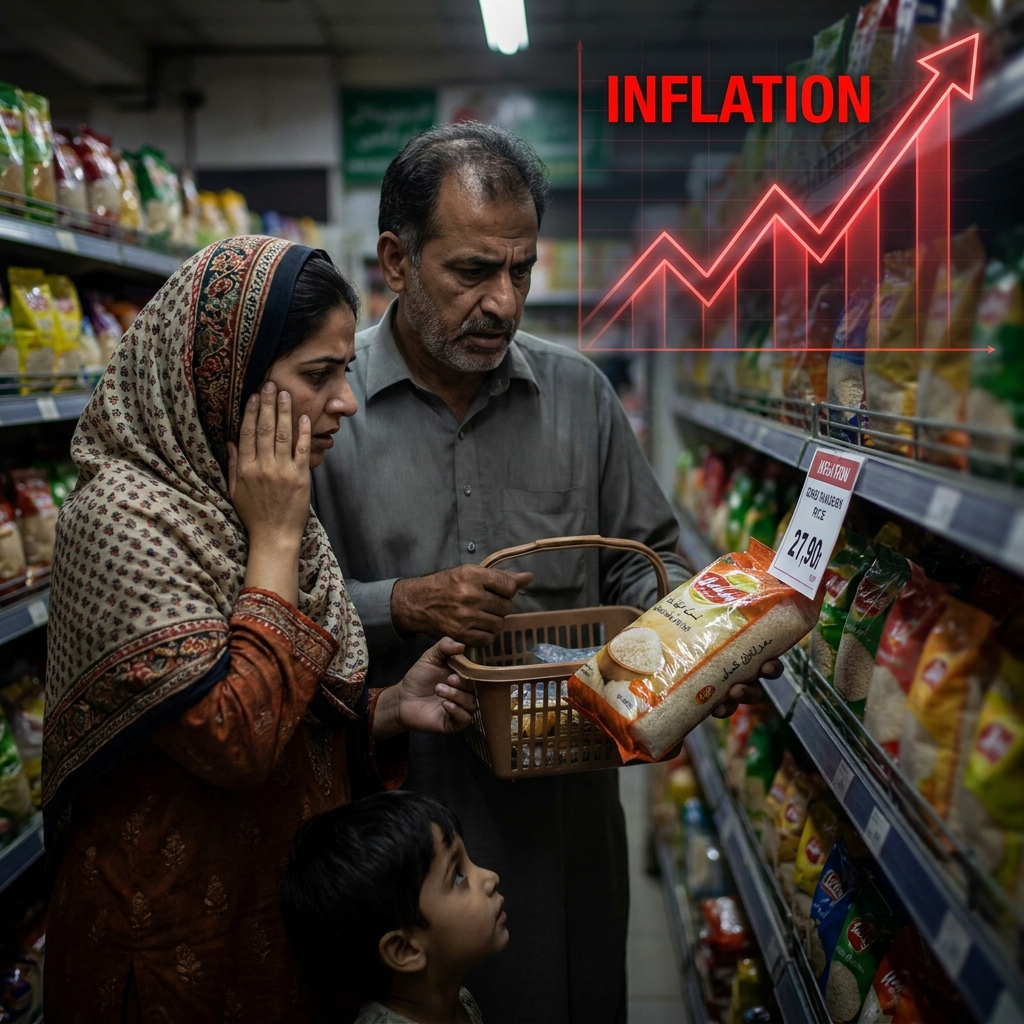
While the growing Pakistan petroleum levy 2026 revenue supports national finances, it also raises concerns among citizens due to its direct impact on fuel prices. Higher fuel costs often lead to increased transportation and goods prices, affecting daily living expenses for the public.
Experts note that balancing revenue generation with public affordability remains a major challenge for policymakers. Any changes in petroleum pricing can have a direct impact on inflation and overall economic stability.
Role of Fuel Taxes in Fiscal Management
Petroleum levy is considered an important tool for fiscal management in Pakistan. The revenue generated helps support infrastructure development, energy sector needs, and government expenditures.
The Pakistan petroleum levy 2026 collection trend shows how dependent the economy has become on fuel-related taxation. Analysts suggest that diversification of revenue sources could help reduce pressure on petroleum-based income in the future.
Economic Outlook and Future Expectations
With several months still remaining in the fiscal year, analysts expect petroleum levy collections to grow further. However, global oil prices, domestic consumption trends, and government policy decisions will play a key role in determining future revenue performance.
The continued rise in Pakistan petroleum levy 2026 reflects both economic activity and policy-driven revenue generation strategies.
Conclusion
The collection of over Rs1.2 trillion under the Pakistan petroleum levy 2026 highlights its importance in the country’s financial system. While it strengthens government revenue, it also raises concerns about fuel costs and inflation. Policymakers are expected to maintain a balance between revenue needs and public affordability in the coming months.
view moreViral News
look post on Facebook