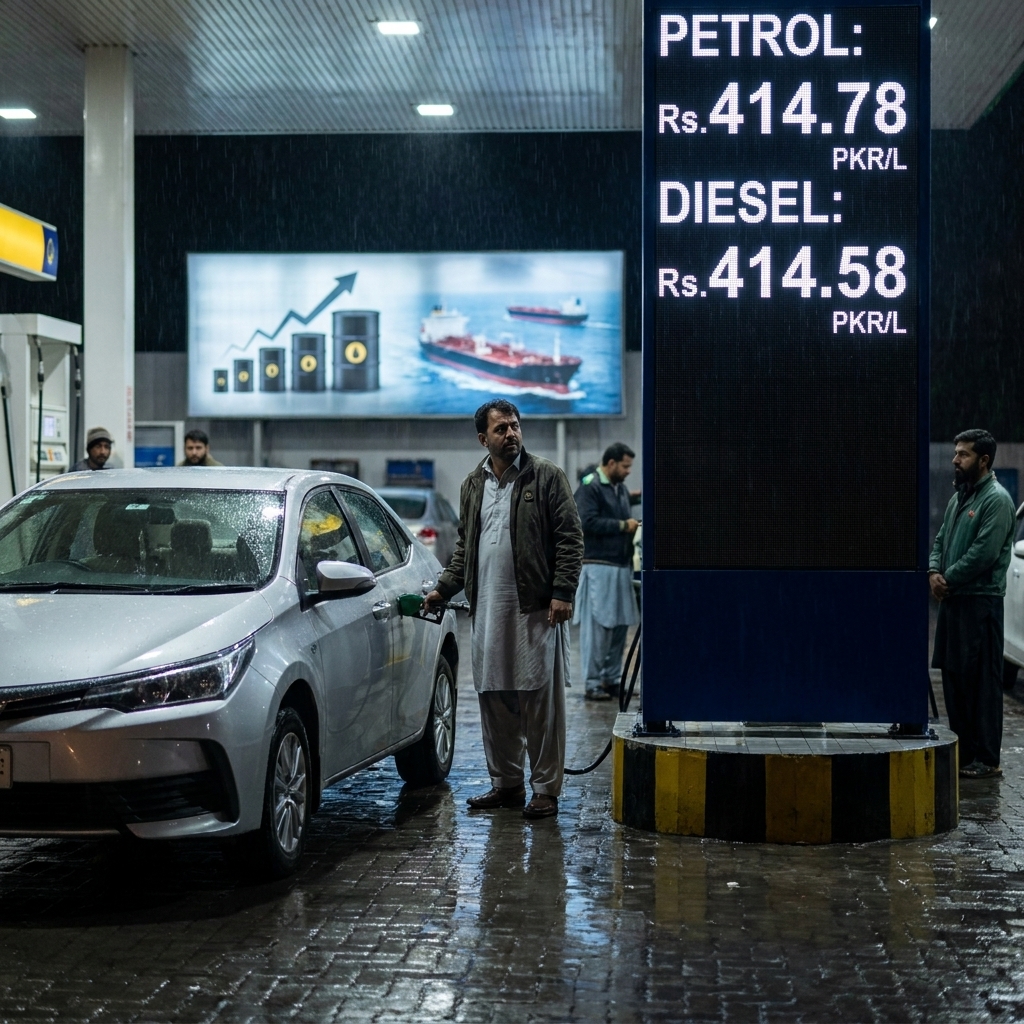
Pakistan has recorded a sharp rise in inflation, with the Consumer Price Index (CPI) reaching 10.9% in April 2026. This marks the highest level in nearly two years, signaling renewed pressure on household budgets and overall economic stability.
The latest figures show that prices are increasing at a faster pace compared to both the previous month and the same period last year, reflecting continued inflationary challenges across the country.
Inflation Trends Show Rising Economic Pressure
The latest inflation data highlights a broad-based increase in prices, affecting both urban and rural areas. The consistent upward trend indicates that inflationary pressures are not limited to one segment of the economy but are spreading across multiple sectors.
Urban inflation has climbed to 11.1%, while rural inflation stands at 10.6%, showing that both city and countryside populations are experiencing similar economic strain.
Food and Essential Items Driving Price Increases
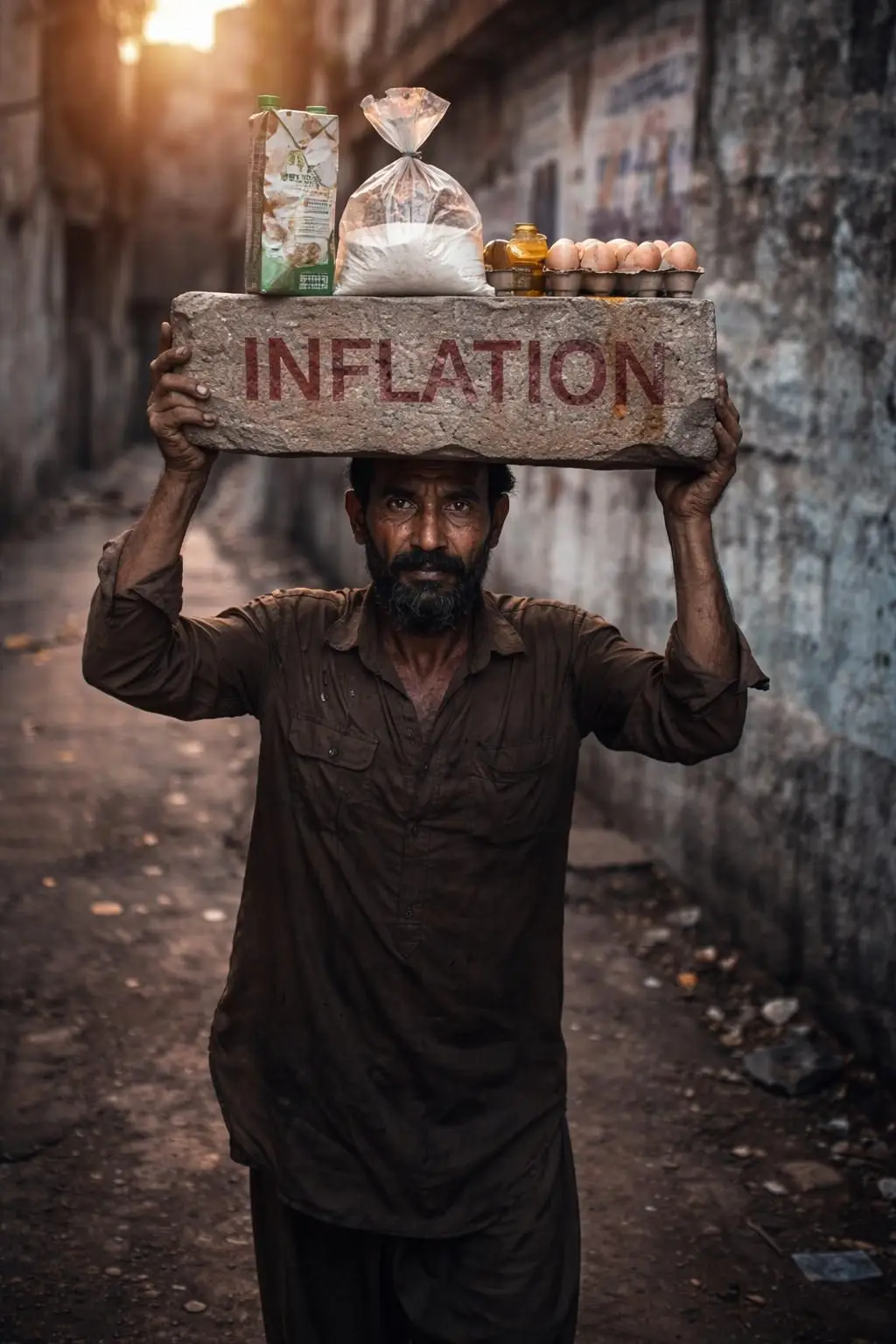
One of the biggest contributors to the inflation surge is the rising cost of food and essential commodities. Households are increasingly struggling to manage daily expenses as basic goods become more expensive.
- Rising food prices
- Higher utility and energy costs
- Increased transportation expenses
- Expensive household essentials
Wholesale and Core Inflation Also Rising
In addition to consumer-level price increases, wholesale and core inflation have also shown a strong upward trend. This suggests that inflation is deeply embedded in the supply chain and production costs.
Higher wholesale inflation often leads to further increases in retail prices, as businesses pass on rising costs to consumers. Similarly, rising core inflation reflects persistent underlying price pressures in the economy.
Impact on Households Across Pakistan
The inflation surge is placing additional strain on households already dealing with economic uncertainty. Families are being forced to adjust spending habits as essential goods become less affordable.
Urban vs Rural Inflation Gap
While both urban and rural areas are affected, there are slight differences in inflation levels. Urban areas, with higher dependence on market-based goods and services, have experienced slightly higher inflation at 11.1%.
Rural areas, where some households rely on self-produced food items, have recorded inflation at 10.6%, but still face significant pressure from fuel, transport, and essential commodity prices.
Conclusion
Pakistan’s inflation reaching 10.9% in April 2026 highlights growing economic strain across the country. With food, energy, and essential goods becoming more expensive, households are facing increasing financial pressure.
As both urban and rural inflation continue to rise, the need for effective economic measures and price stabilization strategies becomes more urgent to ease the burden on citizens.
Disclaimer
This article is for informational purposes only and is based on reported data. The image referenced in related coverage is AI-generated and intended for illustrative purposes only.