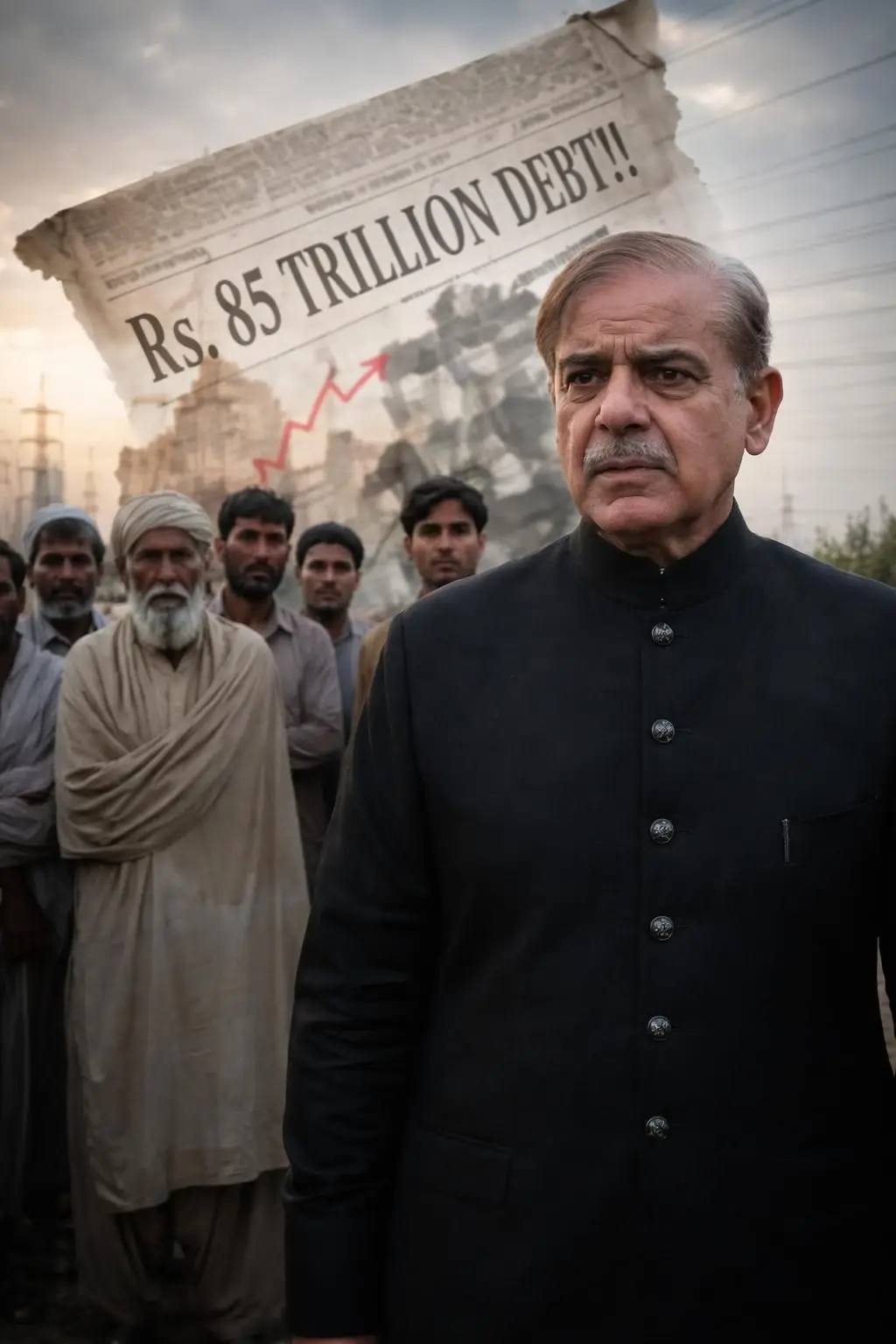
Pakistan’s total public debt has reportedly increased from around Rs. 55 trillion to nearly Rs. 85 trillion over the past four years, according to widely discussed economic data and financial reports. The sharp rise highlights growing fiscal pressures on the country’s economy amid ongoing structural challenges.
The increase reflects a combination of domestic and external financial factors that have affected Pakistan’s overall macroeconomic stability.
Key Factors Behind Rising Debt
Economists attribute the surge in public debt to several interconnected issues, including:
- Continuous fiscal deficits
- Currency depreciation
- High inflation levels
- Rising interest rates and borrowing costs
- Increased debt servicing obligations
These factors have collectively contributed to Pakistan’s growing reliance on borrowing to meet budgetary and development needs.
Economic Experts Warn of Long-Term Pressure
Financial analysts warn that the rising debt burden could place additional strain on economic stability, reduce fiscal space for development projects, and increase pressure on government finances.
They argue that a significant portion of national revenue is now being used for debt servicing, leaving limited resources for infrastructure, education, healthcare, and social welfare programs.
Call for Structural Economic Reforms
Experts emphasize that long-term stability will require deep structural reforms, including:
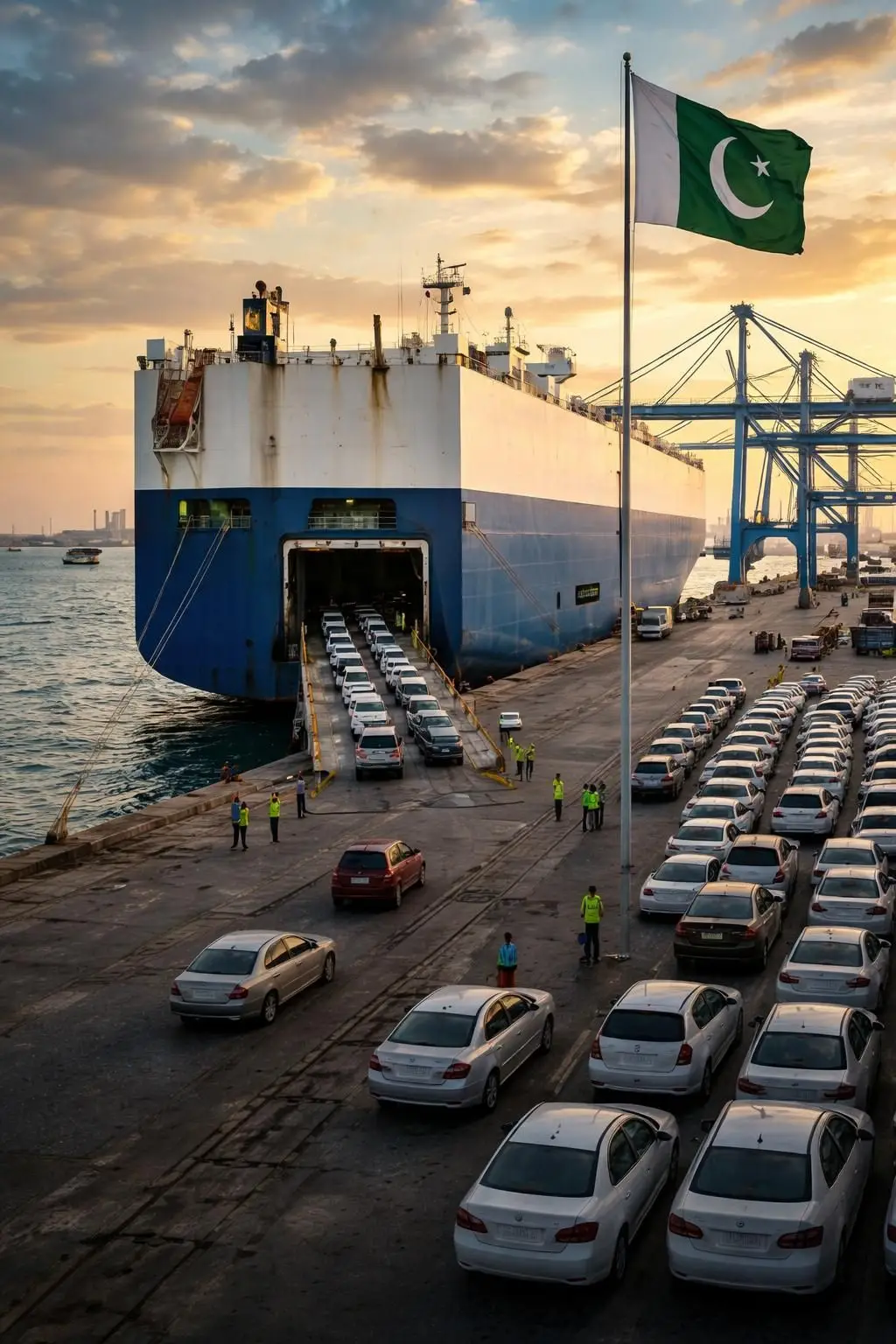
- Expansion of exports
- Improvement in tax and revenue collection
- Reduction in fiscal deficits
- Attraction of foreign direct investment
- Strengthening of industrial productivity
Without such reforms, analysts caution that reliance on borrowing may continue to grow.
Ongoing Efforts to Stabilize the Economy
The discussion comes amid ongoing government efforts to stabilize the economy through policy adjustments, financial restructuring, and negotiations with international financial institutions.
Authorities are reportedly focusing on improving fiscal discipline while managing inflation and supporting economic growth.
Impact on Development and Growth
Rising debt levels can limit a country’s ability to invest in long-term development projects. Economists note that when a large share of the budget goes toward debt repayment, fewer resources remain for public services and infrastructure development.
This situation can slow down economic growth if not addressed through sustainable financial planning.
Conclusion
Pakistan’s increasing public debt highlights the urgent need for comprehensive economic reforms and improved financial management. While short-term measures may provide relief, long-term stability will depend on strengthening exports, improving revenue systems, and reducing dependence on borrowing.