Pakistan Fuel Prices Jump 64 Percent as Petrol Hits Rs414
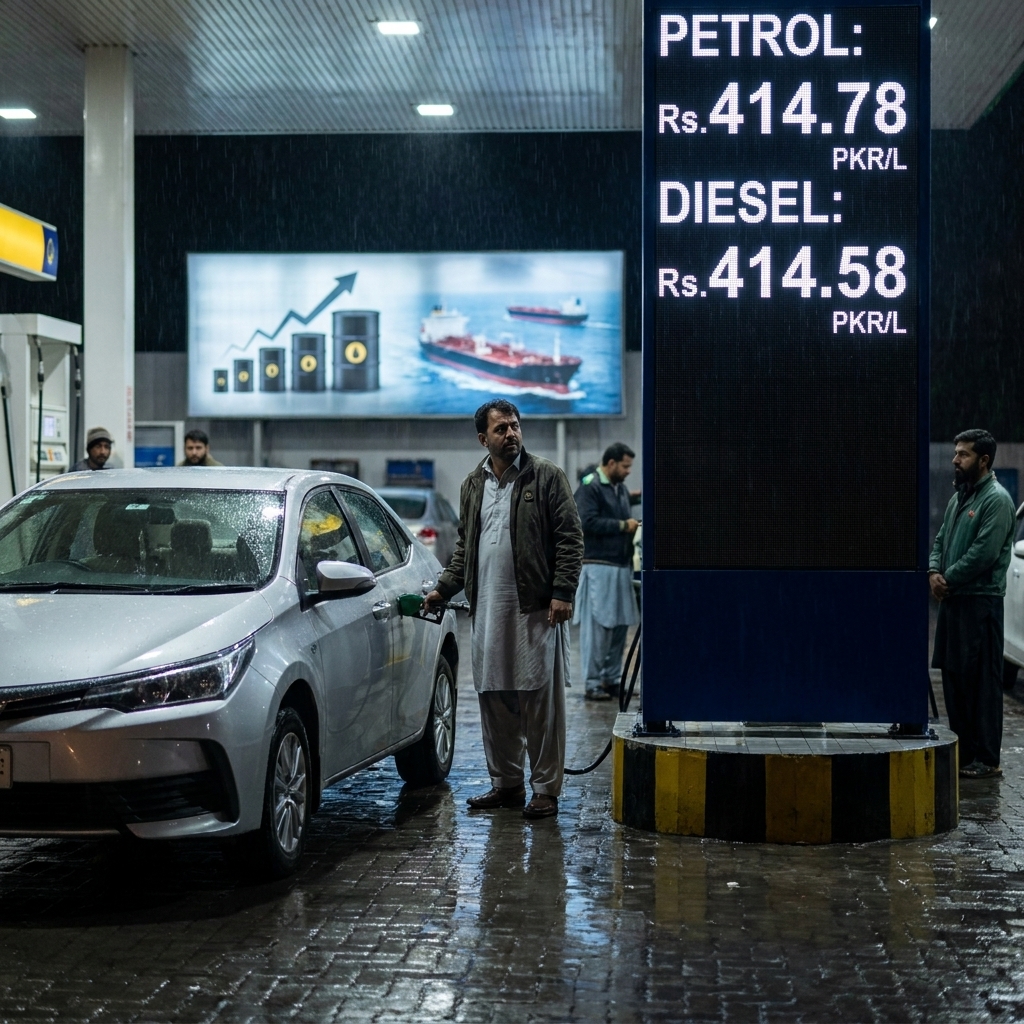
Pakistan fuel prices jump 64 percent has become one of the most serious economic concerns across the country after the latest government notification pushed petrol prices to Rs. 414.78 per liter. The sharp increase confirms that Pakistan fuel prices jump 64 percent within just three months, placing heavy pressure on households, businesses, and transport sectors.
Official figures released by the Ministry of Energy show that petrol prices stood at Rs. 253.17 per liter on February 1, 2026. The latest notification effective May 9 raised petrol prices to Rs. 414.78 per liter. This major increase proves that Pakistan fuel prices jump 64 percent during this short period.
The sudden rise has created nationwide concern as Pakistan fuel prices jump 64 percent directly impacts transportation costs, inflation, and daily household budgets.
Pakistan Fuel Prices Jump 64 Percent Since February
Official records confirm that Pakistan fuel prices jump 64 percent since February due to continued adjustments linked to global oil market instability and regional tensions.
Diesel prices also saw a major rise during the same period. Diesel moved from Rs. 257.08 per liter to Rs. 414.58 per liter. This means Pakistan fuel prices jump 64 percent is affecting both petrol and diesel users across Pakistan.
Experts say Pakistan fuel prices jump 64 percent because of increased international crude oil prices and concerns over supply disruptions caused by tensions in the Middle East.
The repeated increase means Pakistan fuel prices jump 64 percent is now one of the sharpest fuel hikes among South Asian economies.
Pakistan Fuel Prices Jump 64 Percent Hurts Citizens
The sharp increase in fuel prices is creating financial hardship for millions of Pakistanis. Families are struggling to manage household expenses as transportation and daily living costs continue to rise across the country.
Public transport fares are also expected to increase due to higher operating expenses for transport operators. Delivery services, small businesses, and ride-hailing sectors are among.
Daily wage earners and middle-class households are feeling the strongest impact, as expensive fuel directly affects travel expenses and the prices of essential goods. Social media discussions also reflect growing public frustration over inflation and economic uncertainty.
Why Fuel Prices Increased Sharply in Pakistan
Economic analysts believe the recent surge in petroleum prices is linked to several international factors, including instability in global oil markets and rising geopolitical tensions.
The largest jump occurred in early April when fears of supply disruptions through the Strait of Hormuz pushed international oil prices higher. Pakistan, being heavily dependent on imported petroleum products, remains vulnerable to fluctuations in global energy markets.
Experts say any disruption in international oil supply chains can immediately affect local fuel prices and increase economic pressure on importing countries like Pakistan.
Fuel Price Hike Expected to Increase Inflation
Economists warn that the ongoing fuel crisis may increase inflation across multiple sectors of the economy.Higher fuel costs usually lead to increased transportation charges, delivery expenses, and manufacturing costs.
As a result, the prices of groceries, household items, and other daily-use products are also expected to rise.Analysts believe continued instability in global oil markets could create further inflationary pressure in the coming weeks if petroleum prices continue increasing.
Conclusion
Pakistan fuel prices jump 64 percent has created serious economic pressure nationwide as petrol reaches Rs. 414.78 per liter.
The Pakistan fuel prices jump 64 percent trend highlights growing inflation risks and financial uncertainty for millions of citizens. With international oil market instability continuing, Pakistan fuel prices jump 64 percent may remain a major concern in the coming weeks.
read moreViral News
follow on Facebook