Inflation Rate in Pakistan Today 2026 – Causes and Effects
Inflation in Pakistan continues to be one of the most serious economic challenges in 2026, affecting millions of citizens across the country. The rising cost of food, fuel, electricity, and essential household goods has significantly reduced the purchasing power of the average person. As prices continue to increase, daily life becomes more difficult, especially for low and middle-income families.
Inflation refers to the continuous rise in the general price level of goods and services over time. In simple terms, it means that the same amount of money buys fewer goods than before. In Pakistan, inflation is influenced by several internal and external economic factors that create pressure on the overall financial system.
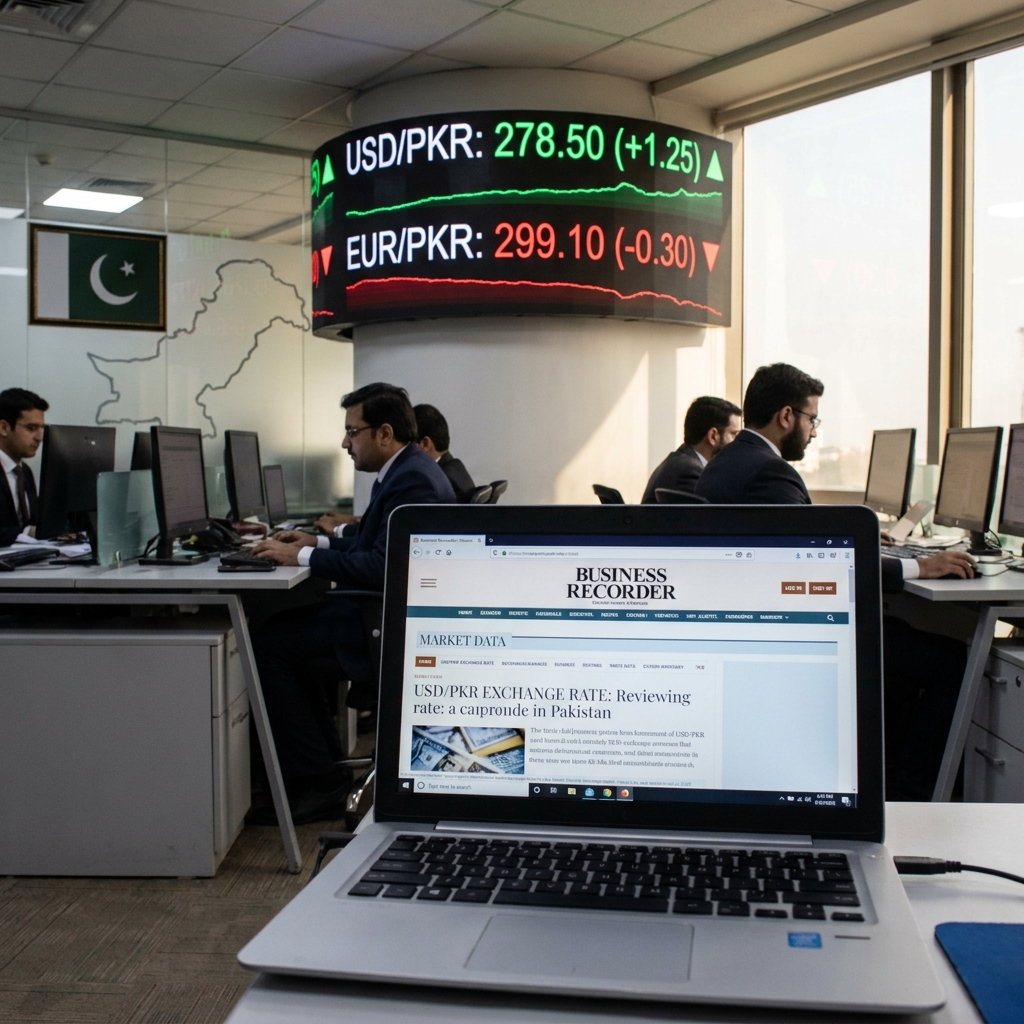
One of the main causes of inflation rate in Pakistan is the depreciation of the Pakistani rupee. When the value of the rupee decreases against foreign currencies like the US dollar, imported goods become more expensive. Since Pakistan relies heavily on imports for fuel, machinery, edible oil, and electronics, any change in currency value directly affects local prices.
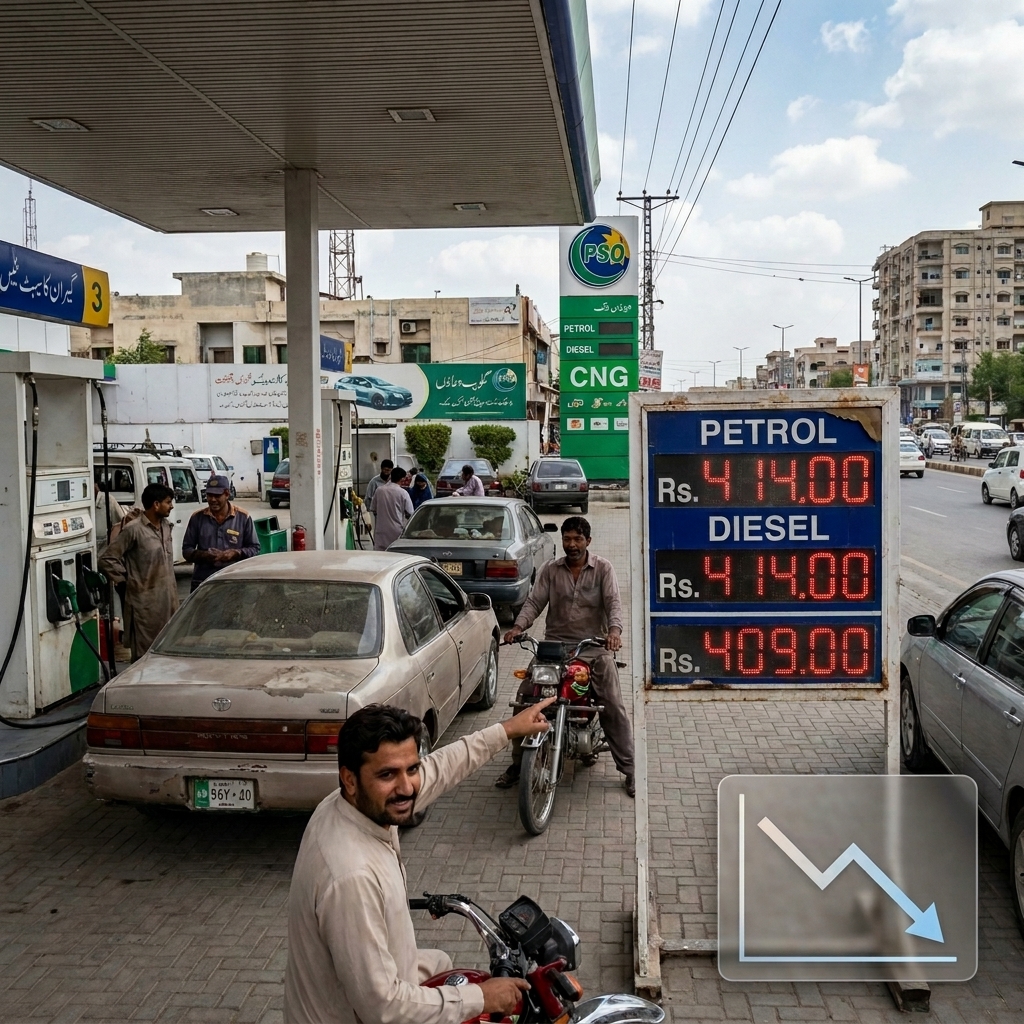
Another major factor is high import dependency. Pakistan imports a large portion of its energy needs, including oil and gas. When global prices increase or the rupee weakens, import costs rise, which leads to higher prices of fuel and electricity in the domestic market. This increase then spreads across all sectors of the economy.
Energy price hikes also play a key role in increasing inflation. Electricity and fuel are essential for industries, transportation, and agriculture. When energy costs rise, production costs increase, and businesses pass these costs on to consumers in the form of higher prices for goods and services.Inflation Rate in Pakistan increases due to this.
Supply chain issues are another important factor contributing to inflation in Pakistan. Transportation delays, lack of infrastructure, and disruptions in supply routes can reduce the availability of essential goods in the market. When supply decreases but demand remains high, prices naturally go up.
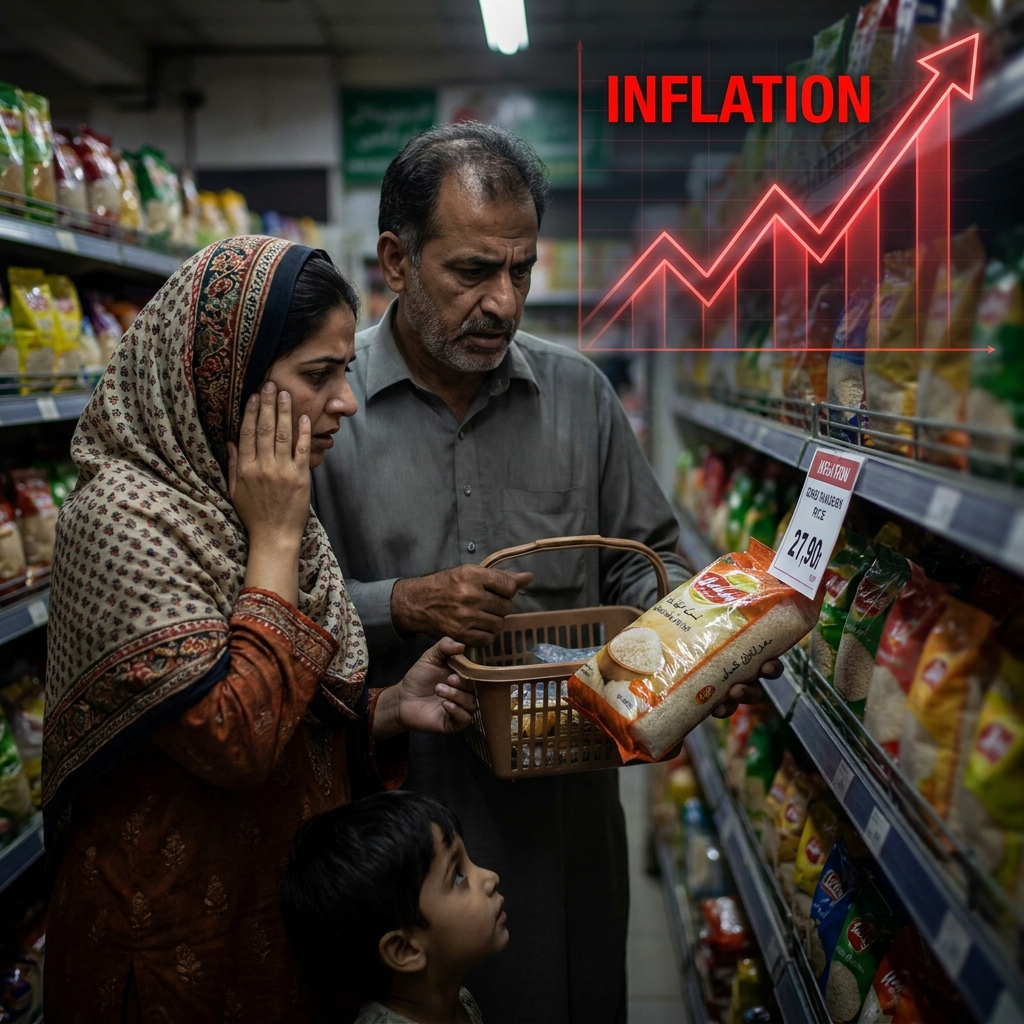
The effects of inflation on people in Pakistan are very visible in daily life. Food prices have increased significantly, making basic items such as flour, rice, sugar, and vegetables more expensive. This has placed financial pressure on households, especially those with fixed incomes.Thisnis the main reason of Inflation Rate in Pakistan.
Electricity, gas, and water charges continue to rise, making it difficult for families to manage monthly expenses. Many people are forced to reduce consumption or adjust their lifestyles due to higher costs.
Another major effect of inflation is reduced purchasing power. Even though incomes may increase slightly in some cases, they do not keep pace with rising prices. As a result, people are able to buy fewer goods and services than before, leading to a decline in overall living standards.
Inflation also impacts businesses and economic growth. Higher production costs reduce profit margins, and small businesses are particularly affected. Many companies struggle to maintain stable pricing, which creates uncertainty in the market.
Economists believe that controlling inflation rate in Pakistan requires strong economic reforms. These include stabilizing the currency, improving domestic production, reducing import dependency, and increasing foreign investment. Without structural improvements, inflation is expected to remain a long-term challenge.
In conclusion, the inflation rate in Pakistan continues to have a strong impact on every aspect of life, from food and fuel prices to business operations and household budgets. It remains one of the key economic issues that requires immediate attention and long-term . Citizens are advised to stay informed about economic trends to better manage their financial decisions in a changing market environment.
viem moreViral News
viem on Facebook