Fuel Prices in Pakistan 2026 Drop by Rs5 Per Litre – Latest Update Explained
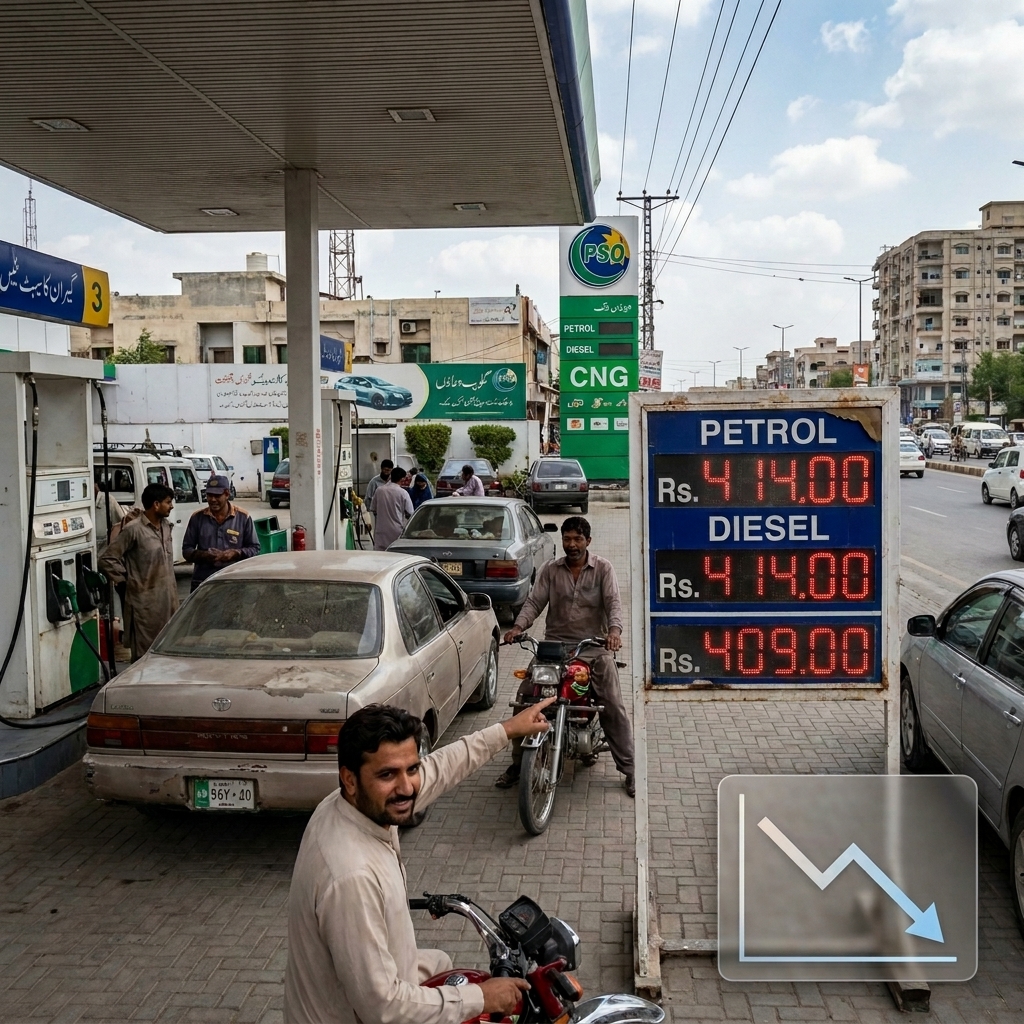
Fuel prices in Pakistan 2026 have once again become a major topic of discussion as the government announced a reduction of Rs5 per litre in both petrol and diesel rates. After the latest revision, petrol and diesel prices have come down from Rs414 per litre to Rs409 per litre, bringing a small but important relief for consumers already struggling with rising inflation and high living costs.
The change in fuel prices in Pakistan 2026 is part of the regular pricing mechanism that adjusts petroleum rates based on global oil market trends, exchange rate fluctuations, and domestic economic conditions. While the reduction is not very large, it still provides psychological and financial relief to millions of citizens who depend on fuel for transportation and daily business activities.
In Pakistan, fuel prices in Pakistan 2026 directly impact almost every sector of the economy. When petrol and diesel prices increase or decrease, it affects transportation fares, food delivery costs, agricultural production, and even electricity generation costs. That is why even a small Rs5 reduction is considered important for households and businesses.
Experts believe that fuel prices in Pakistan 2026 are still closely linked to global crude oil movements. International oil markets remain unstable due to geopolitical tensions, supply chain issues, and production decisions by major oil-producing countries. As a result, Pakistan’s fuel pricing system continues to adjust frequently, reflecting these global changes.
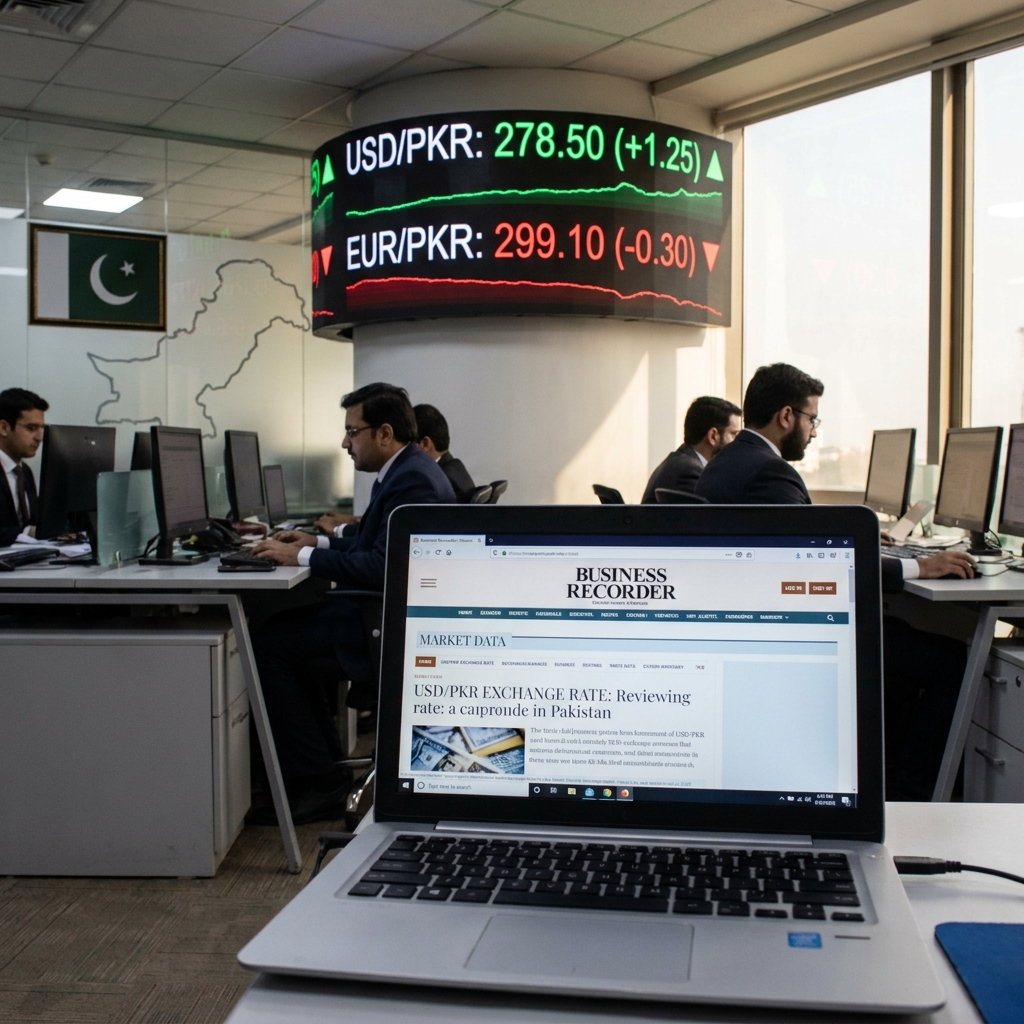
Another key factor affecting fuel prices in Pakistan 2026 is the value of the Pakistani rupee against the US dollar. Since Pakistan imports a large portion of its petroleum products, any depreciation in the currency increases import costs, which eventually leads to higher local fuel prices. Similarly, when the rupee stabilizes or strengthens, there is room for price reductions like the recent Rs5 cut.
For ordinary citizens, fuel prices in Pakistan 2026 are not just economic numbers but a daily concern. A rise in petrol prices increases public transport fares, motorcycle running costs, and overall household expenses. On the other hand, a reduction, even if small, helps ease some pressure on monthly budgets.
Small business owners and transporters are also closely watching fuel prices in Pakistan 2026. Many rely heavily on diesel for goods transportation, and any change in rates directly affects their profit margins. The recent reduction is expected to slightly lower operational costs, although industry experts say the relief is limited.
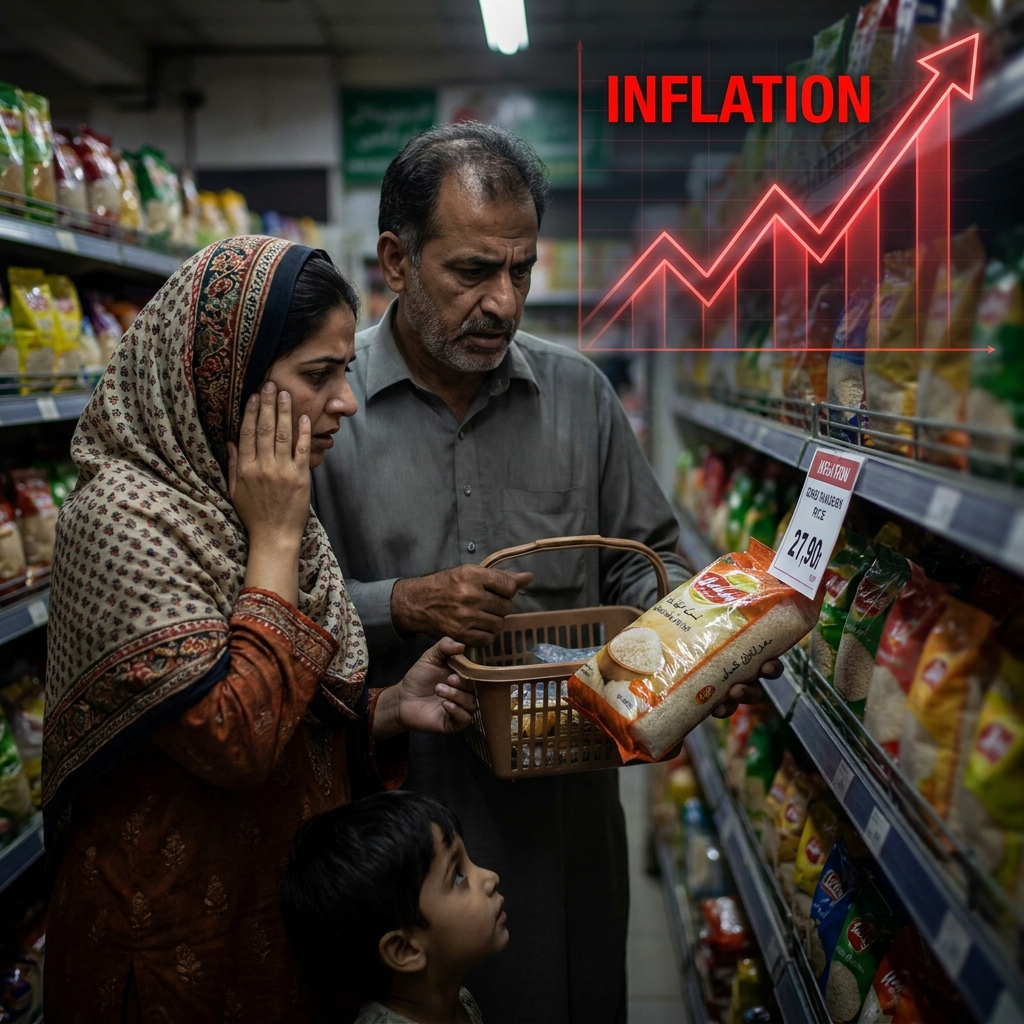
Despite the reduction, inflation remains a major challenge in Pakistan. Even though fuel prices in Pakistan 2026 have seen a minor drop, food prices, electricity bills, and other essential goods remain high. This means the overall cost of living is still under pressure, and citizens may not feel a significant improvement in their financial situation.
Economists suggest that long-term stability in fuel prices in Pakistan 2026 will depend on broader economic reforms, better energy management, and reduced dependency on imported fuel. Without structural changes, fuel prices are likely to continue fluctuating in the coming months.
In conclusion, the latest reduction in fuel prices in Pakistan 2026 by Rs5 per litre is a positive development, but only a small step toward economic relief. While it brings short-term comfort to consumers, long-term stability will require consistent policy measures and improved global economic conditions.
Disclaimer:The information provided in this article is based on publicly available reports and updates at the time of writing. Fuel prices in Pakistan are subject to change due to government policies, international oil market fluctuations, and currency exchange rates. Readers are advised to verify the latest official prices from relevant government sources before making any decisions. This content is for informational purposes only and does not constitute financial or official advice.
viem moreViral News
see post on Facebook