
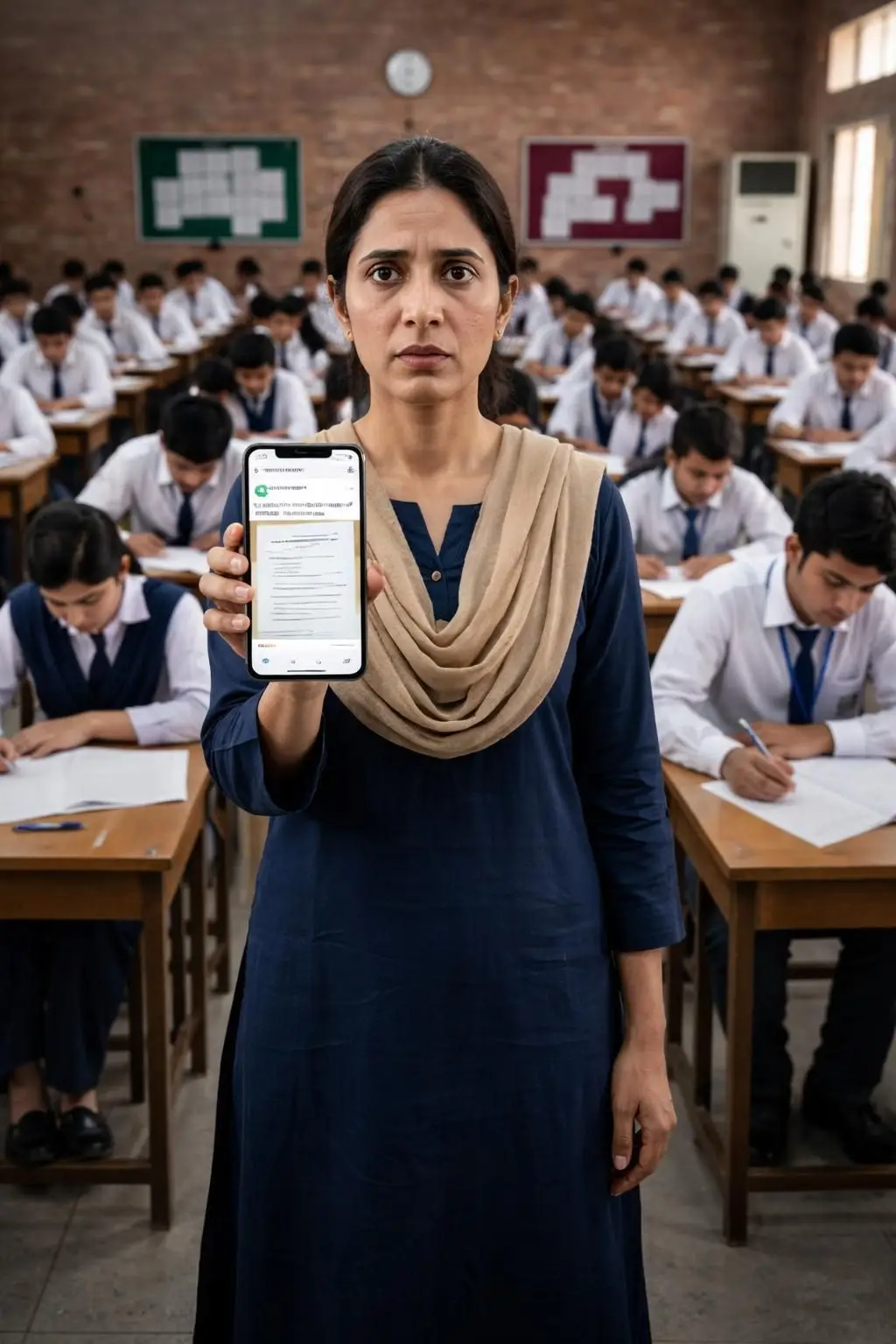
A recent incident involving a Cambridge International A-Level Business Studies examination paper leak has sparked widespread concern across the global education community. Reports suggest that the exam paper was circulated on social media before or around the scheduled examination time, raising serious questions about the security, integrity, and fairness of international examinations.
This incident has once again brought attention to the vulnerability of digital communication channels and the challenges faced by examination boards in maintaining strict confidentiality.
What Happened in the Reported Leak?
According to circulating reports, multiple A-Level examination papers were shared online, with at least one confirmed to be the Business Studies paper. The leaked material reportedly began spreading at approximately 12:41 PM, quickly reaching various social media platforms and messaging groups.
Although the full authenticity of the leaked content is still being verified, the situation has already triggered major concerns among educators, students, and examination authorities.
Such incidents are particularly sensitive because Cambridge A-Levels are internationally recognized qualifications, and any compromise in exam security can have global implications.
Cambridge Examination System Under Scrutiny
The Cambridge International examination system is widely respected for its academic standards and global credibility. However, this recent incident has placed its security protocols under scrutiny.
Key concerns being raised include:
- How the exam paper was accessed before official release
- Whether there were internal or external breaches
- The role of digital platforms in spreading leaked content
- Effectiveness of current security measures
Previous Exam Leak Incident
This is not the first time Cambridge examinations have faced such issues. Earlier reports confirmed a leak involving an A-Level Mathematics paper, which also circulated online before or during the examination period.
The recurrence of such incidents raises serious concerns about:
- Systemic weaknesses in exam handling procedures
- Digital security gaps
- Unauthorized access to confidential materials
- Increasing misuse of social media platforms
Impact on Students and Academic Fairness
Exam paper leaks have a direct and serious impact on students, especially those preparing under strict academic discipline. Some of the major consequences include:
Unfair Advantage
Students who access leaked papers may gain an unfair advantage over others who rely solely on preparation.
Emotional Stress
Students often experience anxiety, confusion, and frustration when exam integrity is questioned.
Loss of Trust
Repeated leaks can reduce trust in the fairness of international qualifications.
Role of Social Media in Exam Paper Leaks
Social media platforms play a major role in the rapid spread of leaked content. Once an exam paper is uploaded, it can be shared within seconds across:
- WhatsApp groups
- Telegram channels
- Facebook pages
- Anonymous forums
Cambridge International Response (Expected)
While official confirmation and detailed statements are still awaited, Cambridge Assessment International Education typically follows strict procedures in such cases, which may include:
- Internal investigation into the source of the leak
- Verification of exam integrity
- Possible disciplinary action if misconduct is identified
- Communication with examination centers worldwide
Strengthening Exam Security in the Future
Education experts suggest several measures to prevent such incidents in the future:
- Enhanced digital encryption of exam papers
- Restricted access systems with multi-level authentication
- Strict monitoring of printing and distribution centers
- AI-based tracking of leaked content online
- Legal action against individuals involved in leaks
Conclusion
The reported leak of a Cambridge A-Level Business Studies paper highlights growing concerns over examination security in the digital age. As global education systems become more interconnected, ensuring fairness and integrity has become more challenging than ever.
This incident serves as a reminder that stronger safeguards, stricter enforcement, and improved digital monitoring are essential to protect the credibility of international academic qualifications.