Pakistan has reportedly informed the International Monetary Fund (IMF) that it plans to discontinue the electricity subsidy currently available for households consuming up to 200 units per month. According to reports, the proposed change is expected to take effect from January 2027 as part of broader economic and power sector reforms.
Under the existing system, domestic consumers using up to 200 electricity units receive subsidized rates to reduce their monthly power bills. However, officials believe the current mechanism has several loopholes and is often misused by consumers through the use of multiple electricity meters to remain within the subsidized consumption bracket.
Government to Introduce Targeted Electricity Assistance Through BISP
Reports suggest that the government plans to replace the existing subsidy structure with a targeted financial assistance model linked to the Benazir Income Support Programme (BISP). The objective of this new approach is to ensure that electricity relief reaches deserving and low-income households more effectively through digital verification and income-based screening systems.
Authorities believe that connecting electricity support with BISP data will help improve transparency, reduce subsidy leakage, and ensure that only financially vulnerable families benefit from government assistance programs.
IMF-Backed Power Sector Reforms Continue in Pakistan
The reported decision is said to be part of wider IMF-backed reforms aimed at restructuring Pakistan’s power and energy sector. These reforms include tariff rationalization, reduction in circular debt, modernization of the electricity distribution system, and improvement in overall energy sector efficiency.
Pakistan has been under pressure to implement structural economic reforms as part of ongoing agreements with the IMF to stabilize the economy and secure international financial support. Energy subsidies have remained a major concern due to the financial burden they place on the national budget.
Why the 200 Unit Electricity Subsidy May End
Officials reportedly argue that the existing electricity subsidy system is not fully effective because some consumers allegedly exploit the mechanism by installing multiple meters in a single household or property. This allows them to artificially remain below the 200-unit threshold and continue receiving subsidized electricity rates.
By introducing a targeted subsidy system linked with verified household income data, authorities aim to reduce misuse and direct financial support toward genuinely deserving families.
Impact on Electricity Consumers in Pakistan
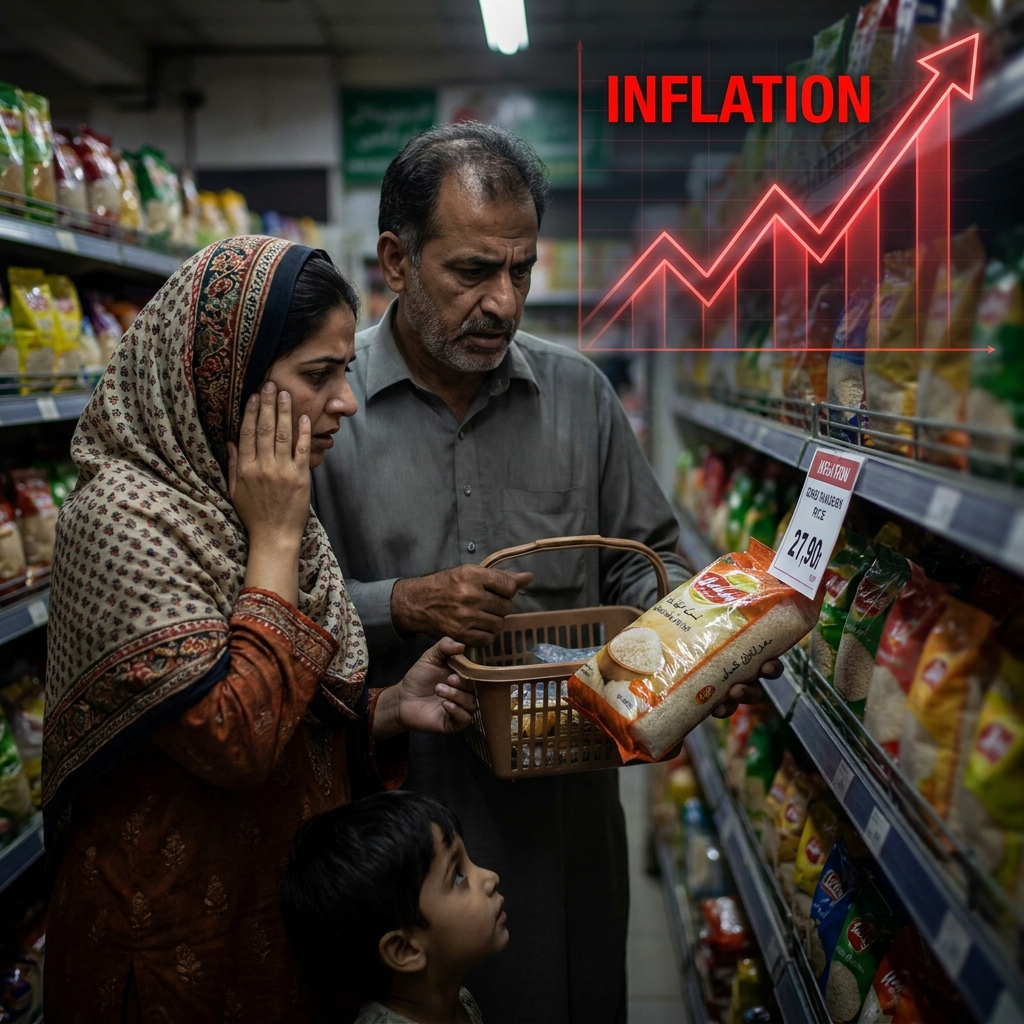
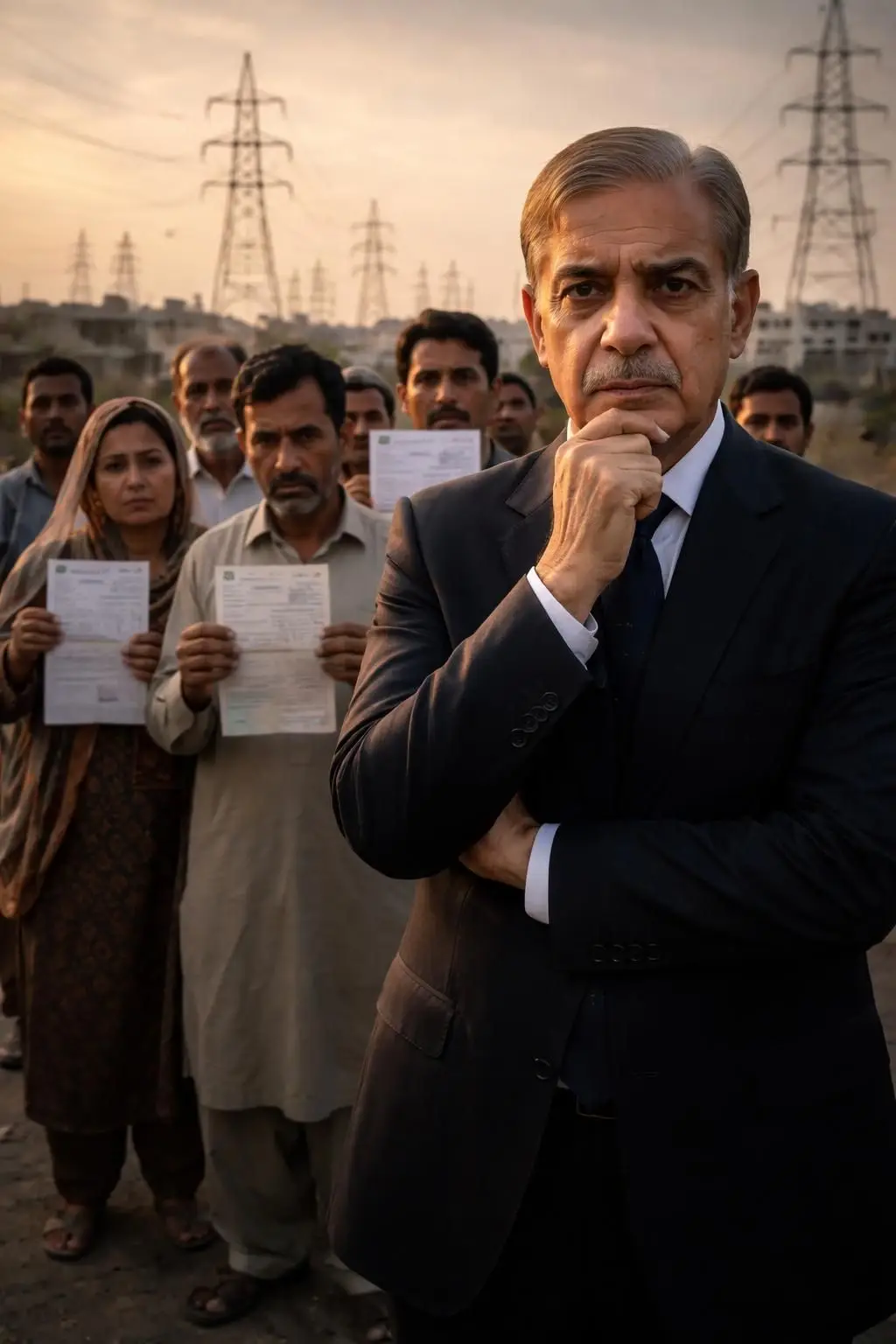
If implemented, the proposed policy could affect millions of electricity consumers currently benefiting from lower tariff rates under the protected consumer category. Households consuming up to 200 units may no longer automatically qualify for reduced electricity prices after January 2027 unless they meet eligibility criteria under the new support model.
Experts believe the transition could significantly change how electricity subsidies are distributed in Pakistan and may increase the importance of digital welfare databases and income verification systems in future relief programs.
Pakistan Energy Reforms and Economic Challenges
Pakistan’s energy sector has faced persistent challenges including rising circular debt, electricity theft, transmission losses, and increasing fuel costs. Successive governments have introduced reforms aimed at stabilizing the sector, but financial pressures and subsidy costs continue to impact the economy.
The latest reported proposal reflects ongoing efforts to align Pakistan’s power sector policies with IMF recommendations while attempting to protect low-income households through more targeted welfare mechanisms.
Disclaimer
This article is for informational purposes only and is based on publicly available reports. Official policy details may change after government approval or further negotiations. The referenced image is AI-generated and used for illustrative purposes only.