Major Diplomatic Clash at the United Nations
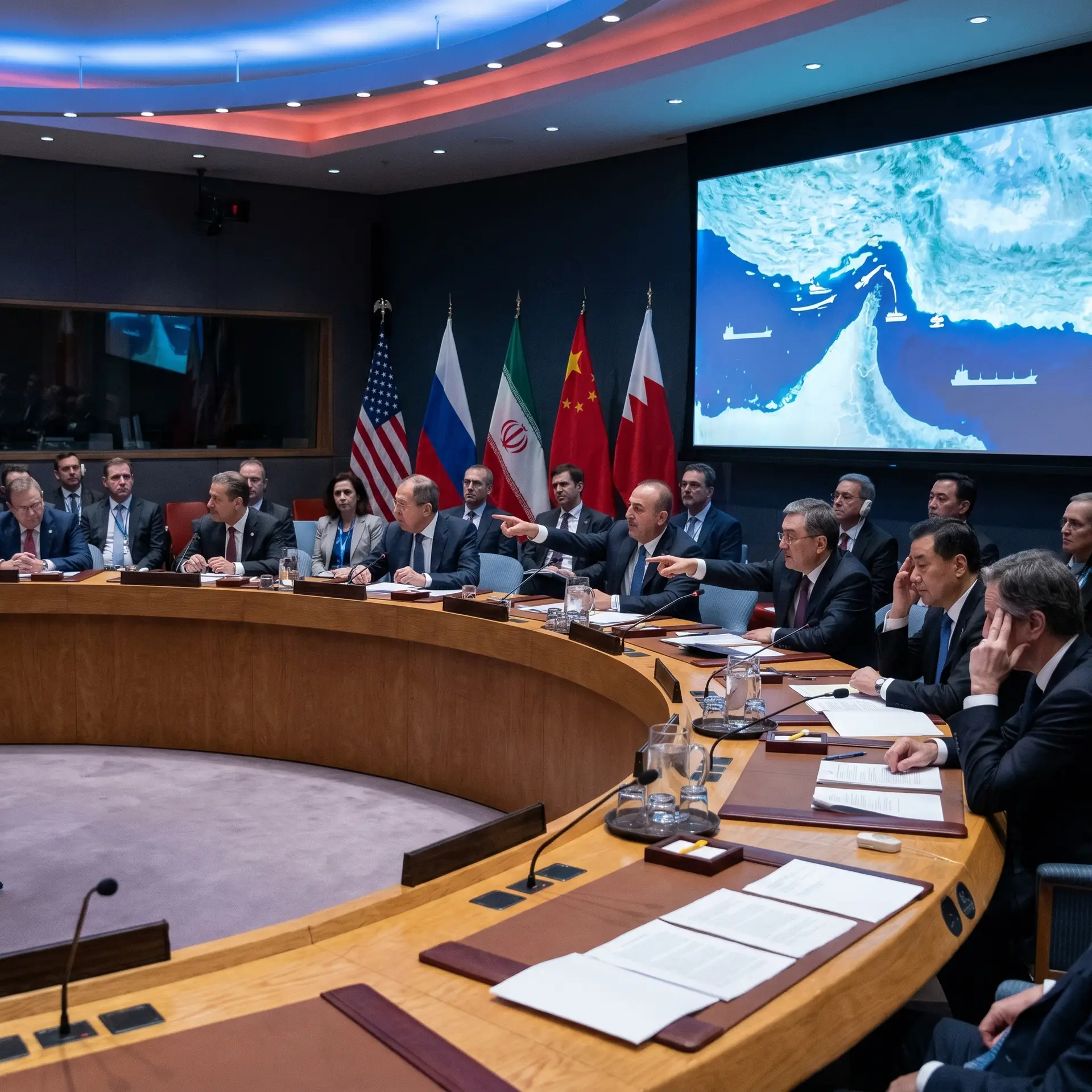
Tensions have increased at the United Nations after Russia called for the withdrawal of a draft resolution supported by the United States and Bahrain regarding Iran’s actions in the Strait of Hormuz. The issue has triggered strong debate among global powers, highlighting deep divisions over security in the Middle East.
Diplomatic sources say the discussion has become one of the most sensitive topics at the UN in recent weeks, as member states continue to disagree on how to handle rising tensions in the region.
Why the Strait of Hormuz Matters Globally
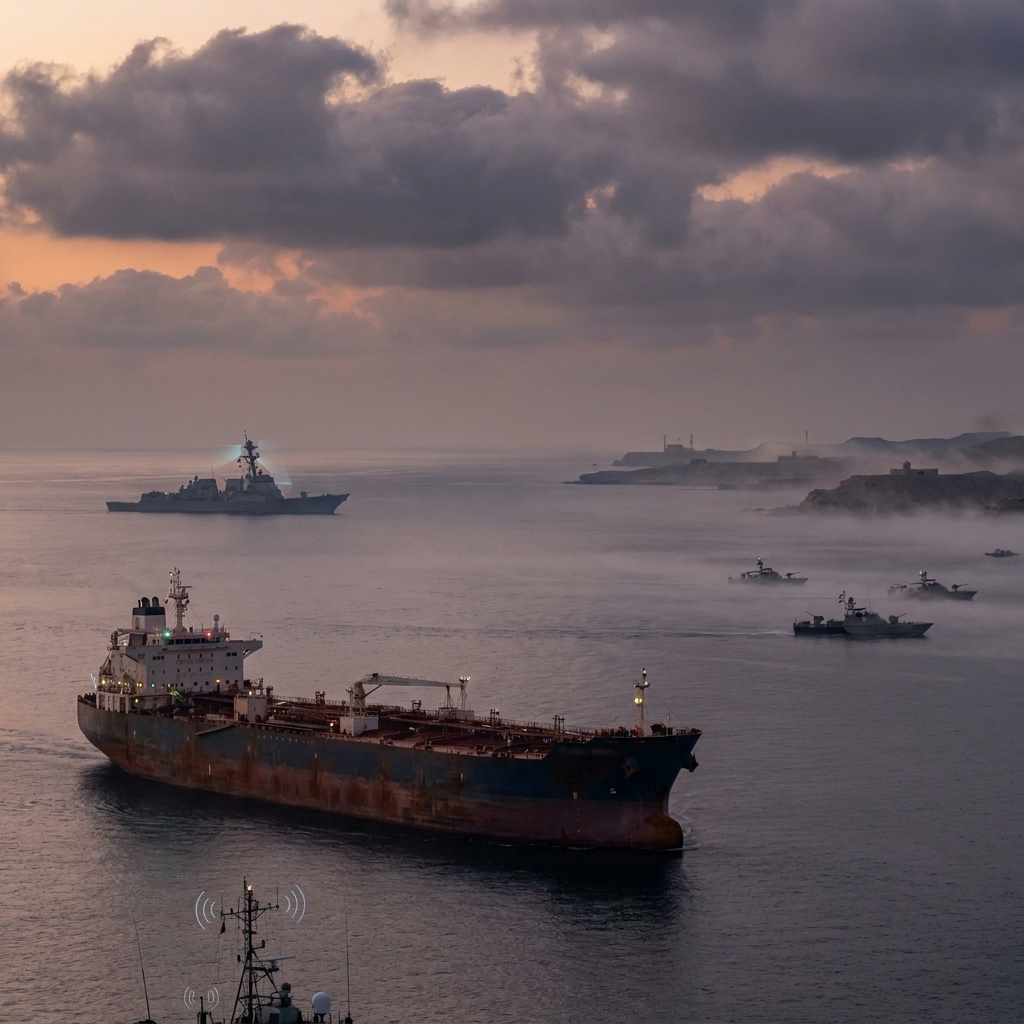
The Strait of Hormuz is one of the world’s most critical maritime chokepoints. It connects the Persian Gulf to the Arabian Sea and serves as a key route for global oil shipments.
Nearly one-fifth of global oil trade passes through this narrow waterway daily. Because of this, even small disruptions in the region can impact global fuel prices, shipping costs, and international economic stability.
Russia’s Position on the Resolution
Russia has called on the United States and Bahrain to withdraw the proposed resolution, warning that it could further escalate already fragile tensions in the region.
Diplomatic sources suggest Russia believes that pushing the resolution without wider agreement may worsen political divisions instead of resolving security concerns.
The issue has added pressure on the UN Security Council, where major powers often hold differing positions on Middle East affairs.
US and Bahrain’s Stance
The United States and Bahrain support the draft resolution, focusing on concerns related to maritime safety and regional security.
They argue that stronger international action is needed to ensure safe navigation through the Strait of Hormuz and to prevent any potential disruption to global shipping routes.
However, several countries have raised concerns that such actions could increase tensions rather than reduce them.
Divided Views at the United Nations
The UN remains divided on the issue. Some member states support stricter measures to maintain maritime security, while others call for diplomatic engagement and restraint.
These differences highlight broader geopolitical rivalries among major global powers over influence and security in the Middle East.
Ongoing Negotiations
Discussions are still ongoing, and no final agreement has been reached. Diplomats continue to explore possible compromises to prevent further escalation.Experts say the outcome of these talks could significantly affect regional stability as well as global oil markets.
Conclusion
The situation at the United Nations remains highly sensitive as global powers continue to disagree over how to handle the Iran-related resolution. With the Strait of Hormuz being a critical global trade route, any escalation could have far-reaching consequences. The coming days are expected to be crucial in determining whether diplomacy can ease tensions or whether divisions will deepen further.
Disclaimer
This article is based on currently available reports and diplomatic discussions. Developments in international affairs are subject to change as new information emerges. Readers are advised to follow official sources for the latest updates.