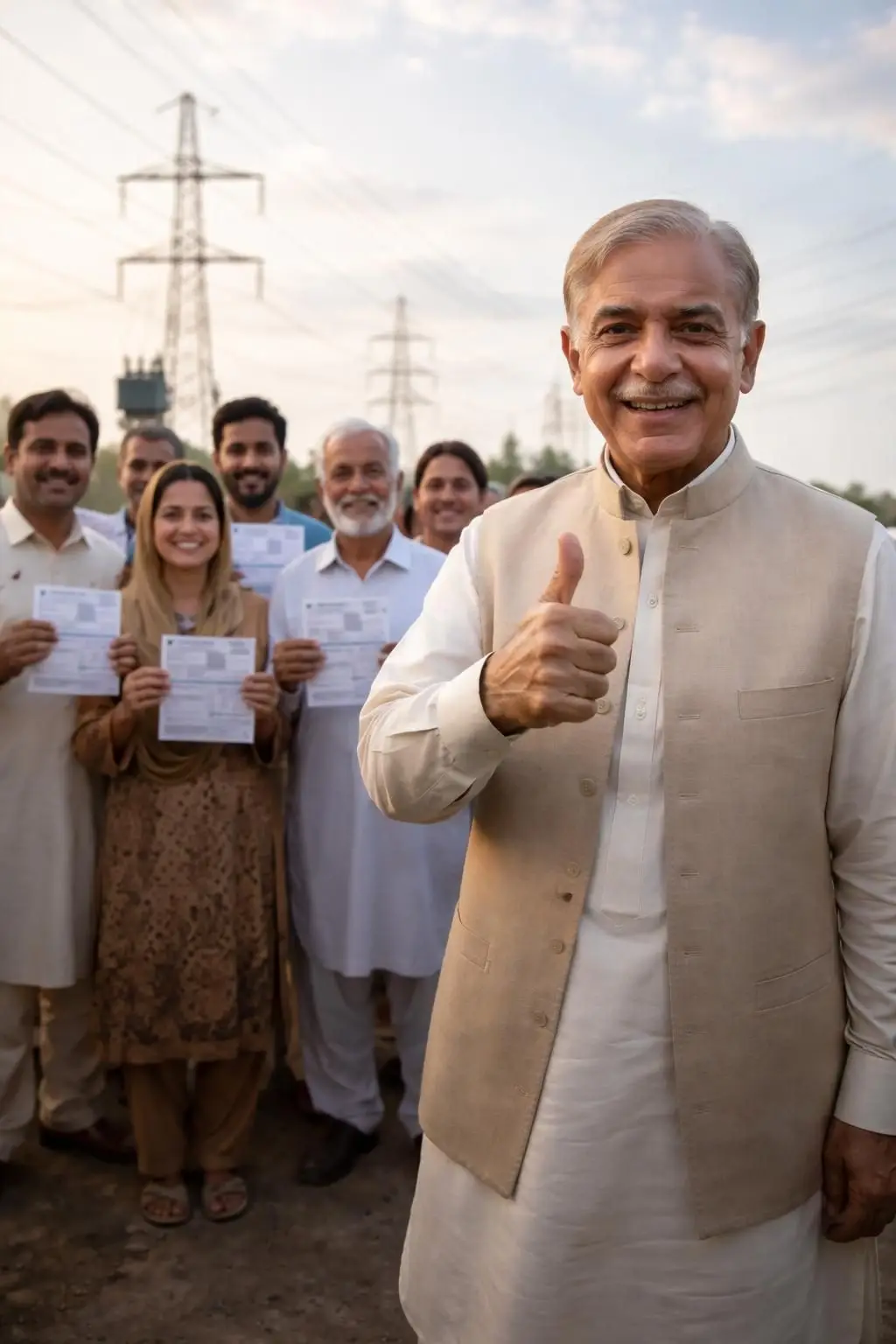

Pakistan’s Finance Minister Muhammad Aurangzeb has indicated that tax-linked insurance benefits for salaried individuals may be restored in the upcoming Budget 2026–27. This potential policy shift is being viewed as a positive development for salaried taxpayers who have long sought relief and incentives linked to insurance and long-term savings.
The proposal is currently under review as part of broader fiscal planning aimed at strengthening the country’s financial system and improving economic stability.
Discussions with Insurance Sector
The development emerged during high-level discussions between the Finance Ministry and the Insurance Association of Pakistan. During the meeting, key stakeholders presented proposals focused on:
- Increasing insurance penetration across Pakistan
- Encouraging long-term savings habits among citizens
- Enhancing tax incentives linked to insurance products
- Improving consistency in tax and regulatory frameworks
Officials emphasized that a stronger insurance sector can play a vital role in mobilizing domestic savings and supporting economic growth.
Focus on Salaried Class Relief
One of the major highlights of the discussion was the potential restoration of tax-linked benefits for salaried individuals. These benefits were previously considered an important incentive for middle-income taxpayers, particularly those relying on fixed monthly incomes.
If reinstated, the policy could:
- Provide tax relief to salaried employees
- Encourage participation in insurance schemes
- Improve household financial security
- Promote long-term financial planning
This move is expected to be closely watched by the salaried class, which often faces higher tax burdens compared to other income groups.
Coordination Between Federal and Provincial Systems
The meeting also highlighted the importance of improving coordination between federal and provincial tax systems. Currently, inconsistencies in taxation frameworks can create complications for businesses and financial institutions.
- Reduce regulatory confusion
- Improve ease of doing business
- Strengthen tax collection efficiency
- Ensure uniform policy implementation across provinces
Economic Stability and Policy Direction
The proposed reforms are aligned with Pakistan’s broader economic goals of achieving stability and sustainable growth. By encouraging savings and improving financial instruments like insurance, the government aims to reduce dependency on short-term fiscal measures.
- Support capital formation
- Improve risk management in households
- Strengthen the banking and insurance ecosystem
- Enhance investor confidence
Expected Impact of Budget 2026–27
If implemented, the restoration of tax-linked insurance benefits could have several long-term effects:
- Increased demand for life and health insurance products
- Greater financial protection for salaried individuals
- Expansion of private insurance companies
- Improved tax compliance through formal financial channels
Conclusion
The indication that Pakistan may restore tax-linked insurance benefits in Budget 2026–27 reflects a broader effort to support salaried taxpayers and strengthen the financial sector. While the proposal is still under review, it signals a potential shift toward encouraging savings, improving financial inclusion, and promoting long-term economic stability.
The final outcome will depend on budgetary decisions and policy approvals in the coming months.