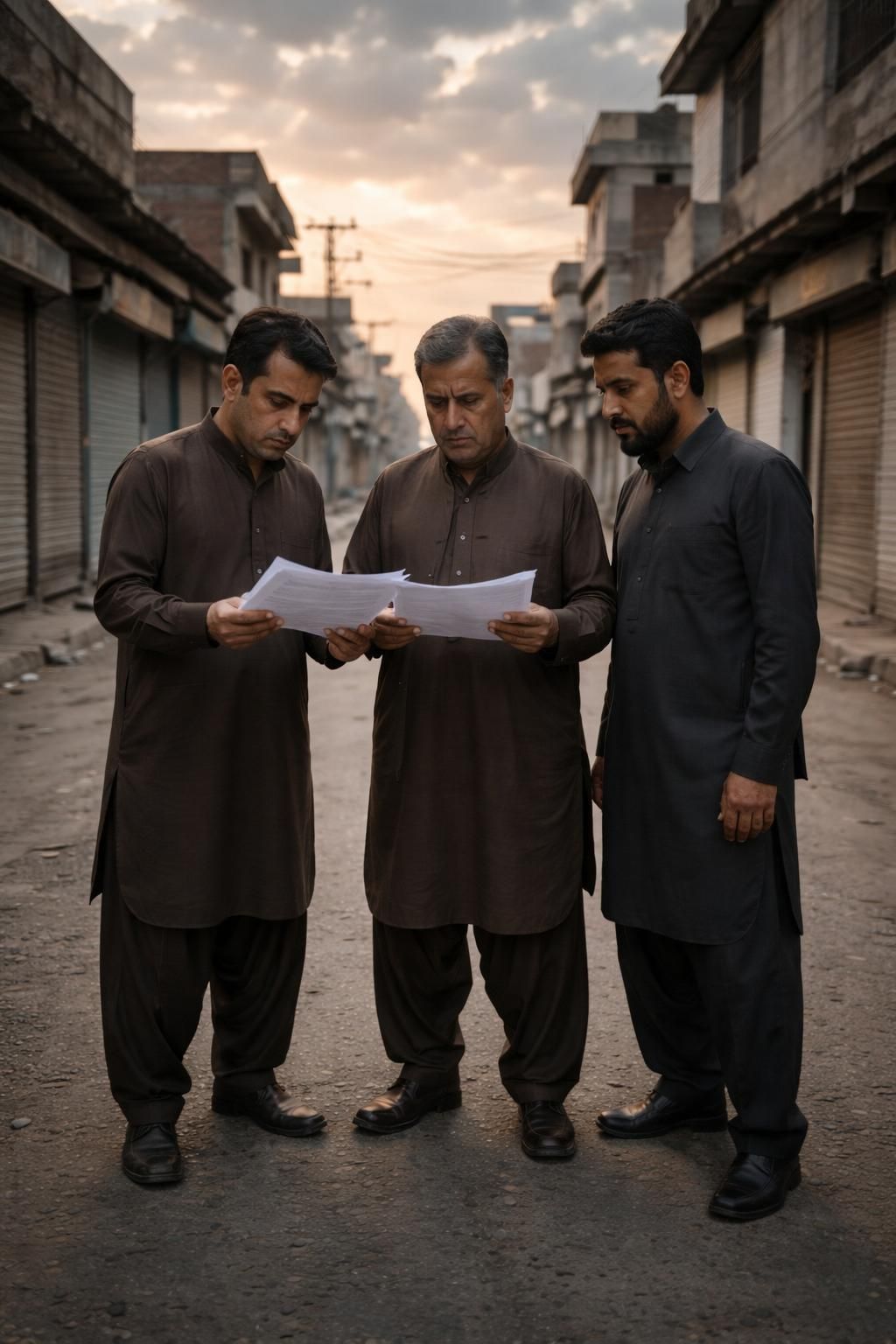
Pakistan’s tax outlook is facing renewed pressure as early market closures, rising energy costs, and weakening economic activity continue to slow down commercial operations across the country. According to officials briefing the National Assembly of Pakistan Standing Committee on Finance, the situation could result in estimated revenue losses of Rs. 15–20 billion.
The concerns come at a time when inflation, fuel price hikes, and energy shortages are already affecting business confidence and consumer spending nationwide.
Economic Slowdown Affecting Tax Collections
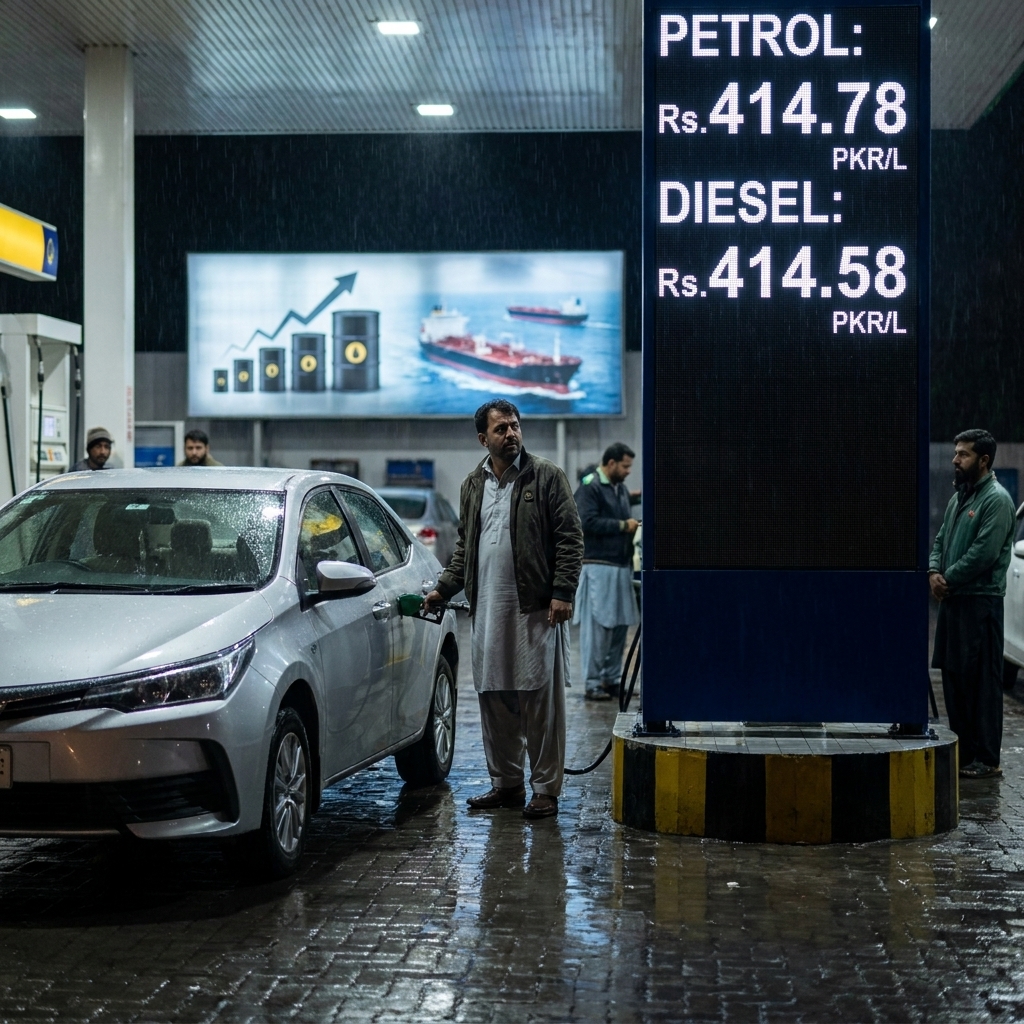
Fuel costs have reportedly surged by around 42%, adding significant pressure on transportation and production costs. This increase is not only affecting businesses but also reducing overall consumer purchasing power.
Energy Shortages and Load-Shedding Risks
Officials also highlighted ongoing shortages of RLNG (Re-gasified Liquefied Natural Gas) and furnace oil, which are raising concerns about potential load-shedding. Energy instability continues to disrupt industrial production and commercial activity.
Impact on Fiscal Stability
The combination of early market closures, inflation, and energy shortages is creating additional stress on Pakistan’s fiscal stability. Reduced economic activity means fewer taxable transactions, which directly affects government revenue collection.
Economists warn that sustained pressure on revenue streams could widen fiscal deficits if not addressed through structural reforms.
Calls for Structural Reforms
Members of the parliamentary committee have urged the government to implement long-term structural reforms to stabilize the economy. These recommendations include strengthening enforcement mechanisms, improving tax compliance, and expanding the tax base to include under-taxed sectors.
Conclusion
Pakistan’s economy is currently facing a complex mix of challenges, including early market closures, rising fuel prices, and persistent energy shortages. Together, these issues are putting significant pressure on tax collections and overall fiscal stability.
Disclaimer
This article is for informational purposes only and is based on publicly available reports. The image referenced in related coverage is AI-generated and intended for illustrative purposes only.