
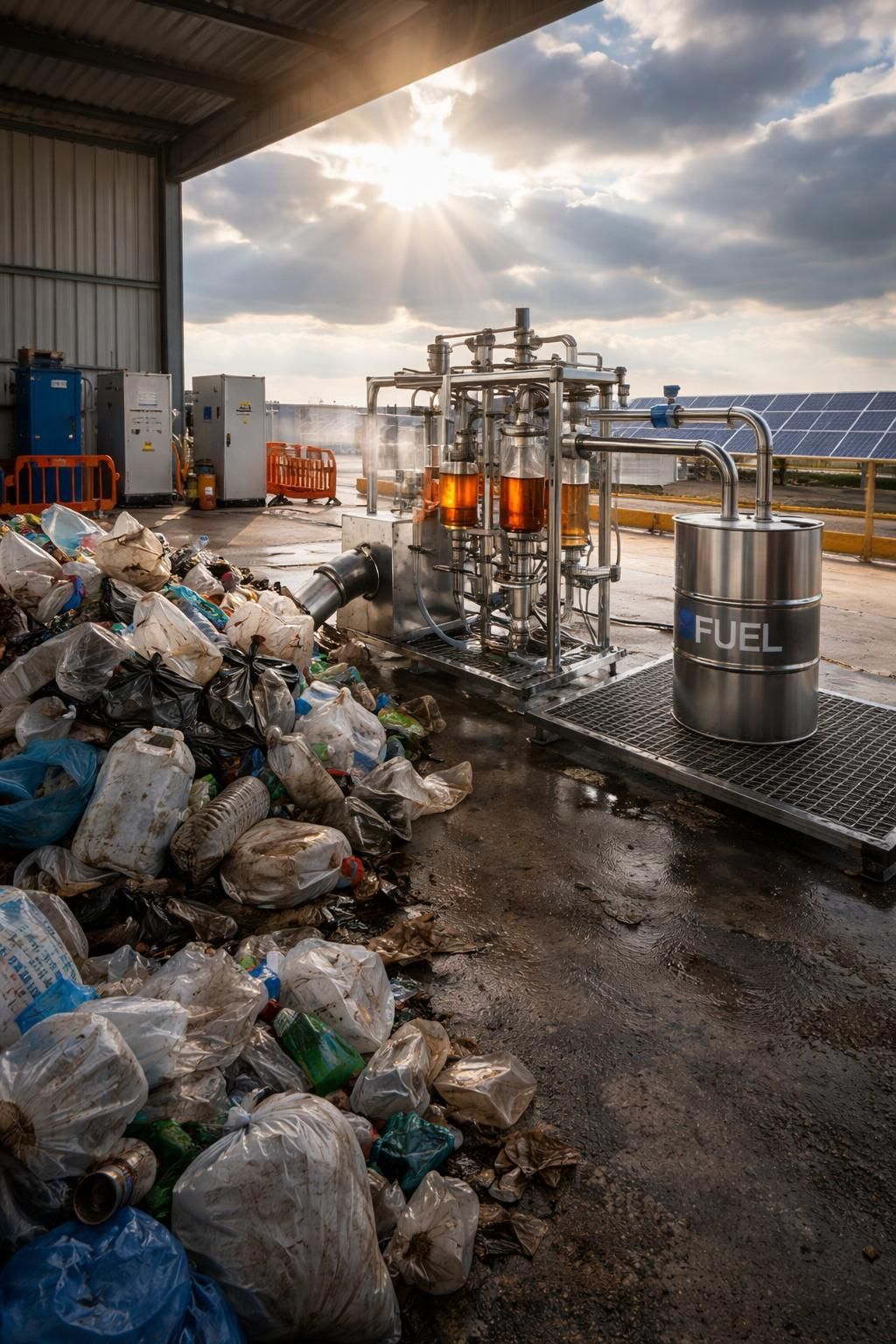
Scientists at the University of Adelaide have developed a cutting-edge method to transform plastic waste into clean fuel using sunlight. This innovative process, known as photoreforming, uses advanced photocatalysts to break down plastics into hydrogen, syngas, and other valuable chemicals. The breakthrough offers a promising solution to reduce global plastic pollution while generating sustainable energy.
Turning Plastic Waste into Energy
The newly developed technique focuses on transforming discarded plastics into usable energy through a process powered by sunlight. Unlike traditional recycling methods, which often degrade material quality, this method converts waste into entirely new forms of energy.
The process produces clean fuels such as hydrogen and syngas, both of which are considered important components in the transition toward low-carbon energy systems. By converting harmful waste into valuable resources, the technology presents a dual benefit of environmental protection and energy generation.
What Is Photoreforming?
At the core of this innovation is a process known as photoreforming. This technique uses sunlight along with specially designed photocatalysts to break down plastic materials at a molecular level.
When exposed to sunlight, these catalysts trigger chemical reactions that decompose plastics and convert them into fuel gases and other useful compounds. This makes the process both energy-efficient and environmentally friendly, as it relies on renewable solar power instead of fossil fuels.
Role of Photocatalysts in the Process
A key component of this technology is the use of advanced photocatalysts, which act as accelerators for the chemical reactions. These materials absorb sunlight and use that energy to drive the breakdown of complex plastic polymers.
The efficiency of the process depends heavily on the performance and durability of these catalysts. Scientists are continuously working to improve their stability so they can function effectively over longer periods and in real-world conditions.
Environmental and Energy Benefits
This breakthrough offers a unique combination of environmental and economic benefits. By converting plastic waste into clean fuel, the process directly addresses pollution while contributing to sustainable energy production.
It has the potential to significantly reduce the volume of plastic waste that ends up in landfills and oceans. At the same time, it supports the development of alternative fuels like hydrogen, which are essential for reducing carbon emissions and combating climate change.
Challenges and Limitations
Despite its promising results, the technology is still in its early stages and faces several challenges before it can be widely adopted. One of the major issues is dealing with mixed plastic waste, as different types of plastics require different processing conditions.
Another challenge lies in improving the durability of photocatalysts, ensuring they remain effective over time without losing efficiency. Scaling the technology from laboratory experiments to industrial-level production also presents significant technical and economic hurdles.
Future Potential and Global Impact
If successfully scaled, this innovation could play a transformative role in global sustainability efforts. It aligns closely with international goals to reduce plastic pollution and transition toward cleaner energy systems.
The ability to turn waste into fuel using sunlight could revolutionize waste management strategies and reduce dependence on fossil fuels. It also opens new opportunities for countries seeking cost-effective and eco-friendly energy solutions.
Conclusion
The development of a sunlight-powered method to convert plastic waste into clean fuel marks an exciting step forward in scientific innovation. With continued research and technological improvements, this breakthrough from the University of Adelaide could help reshape the future of energy and environmental sustainability.
By addressing two critical global challenges at once, this approach highlights the power of science in creating practical and impactful solutions for a cleaner and more sustainable world.
Disclaimer
This article is for informational purposes only and is based on publicly available reports. The image referenced in related coverage is AI-generated and intended for illustrative purposes only.